Origins in the 1960s
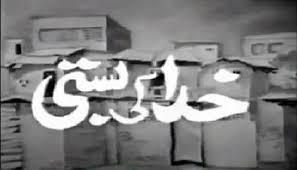
Pakistani dramas began their journey in the 1960s with the establishment of Pakistan Television (PTV). Early productions were simple yet powerful, focusing on moral lessons, family values, and societal issues. Classics like Khuda Ki Basti set the tone for a culture of meaningful storytelling. Get more info by clicking image.
 >
>
The Golden Era: 1980s–1990s
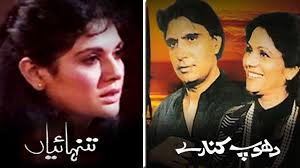
This period is considered the golden age of Pakistani television. Writers such as Haseena Moin, Ashfaq Ahmed, and Anwar Maqsood created timeless masterpieces like Dhoop Kinare, Tanhaiyaan, and Aangan Terha. These dramas touched hearts and reflected everyday life with depth, emotion, and grace. Get more info by clicking image.
 >
>
Expansion in the 2000s
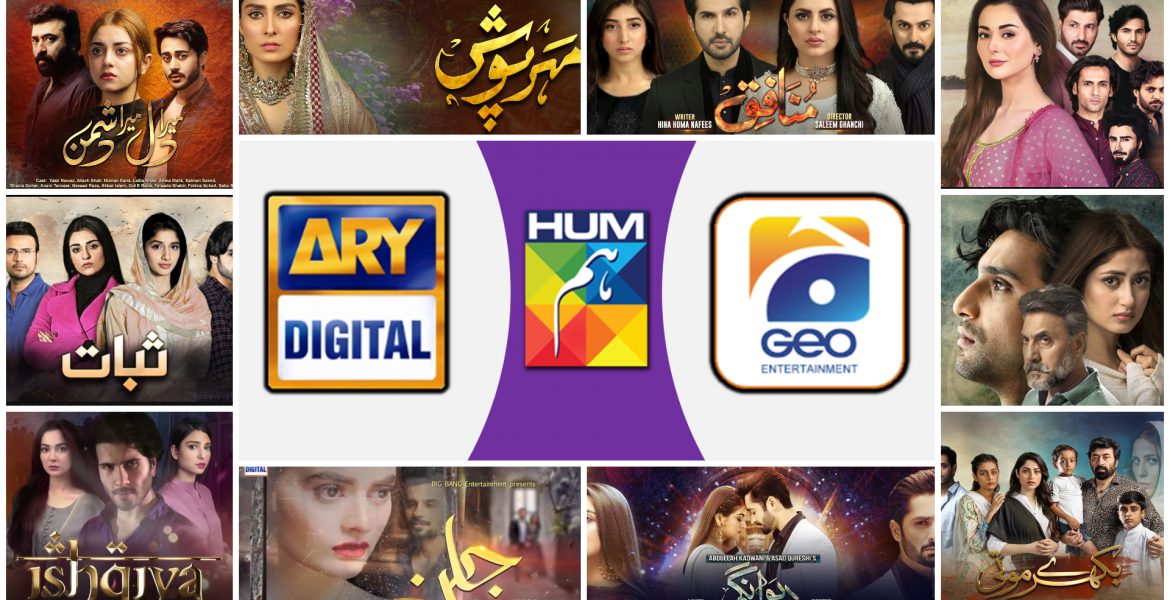
With the rise of private TV channels, the drama industry expanded rapidly. Channels like Hum TV, Geo TV, and ARY Digital introduced fresh talent, modern production techniques, and a variety of genres. The focus shifted to broader themes—romance, class struggles, women empowerment, and more. Get more info by clicking image.
 >
>
Global Recognition Today
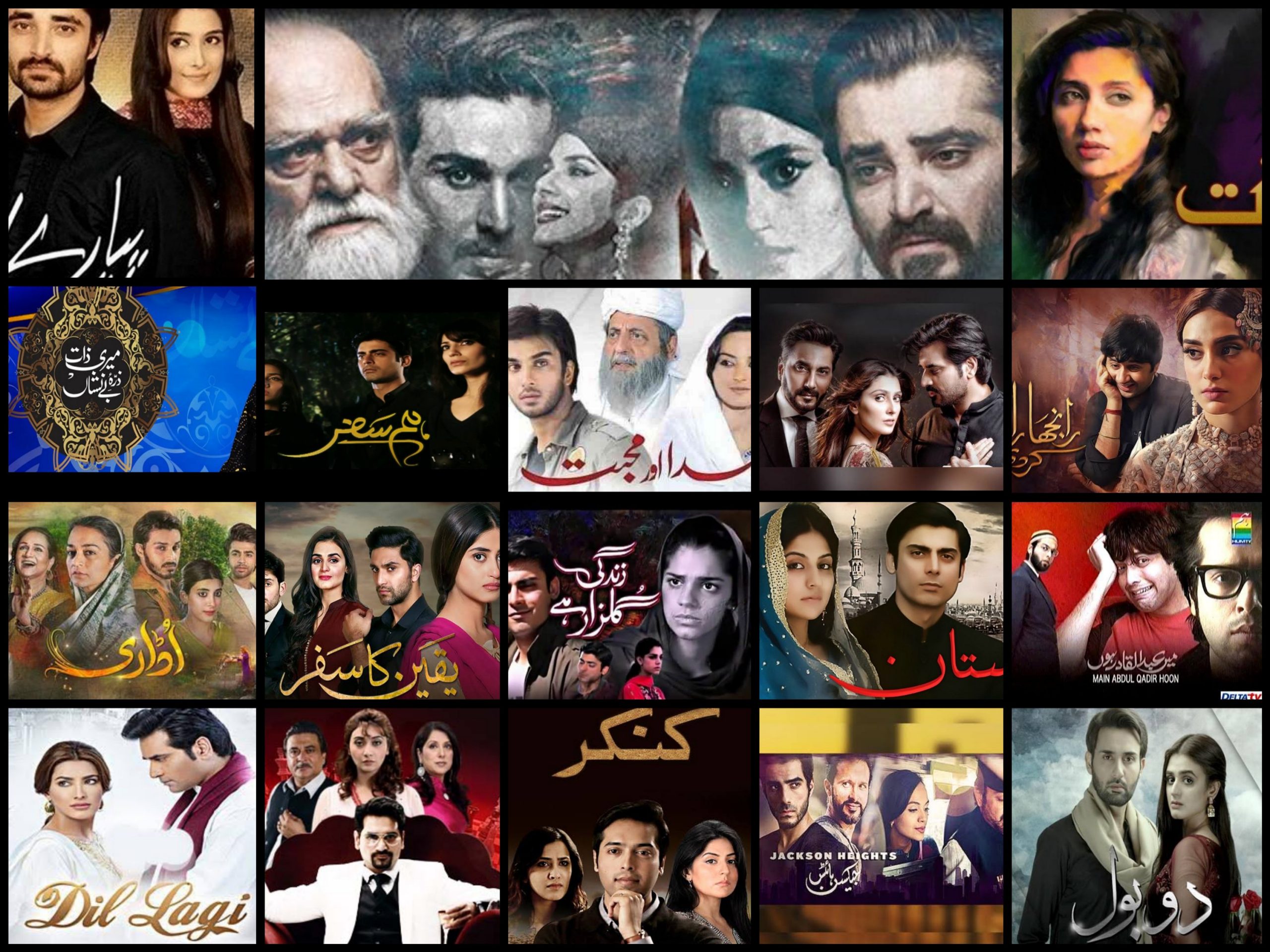
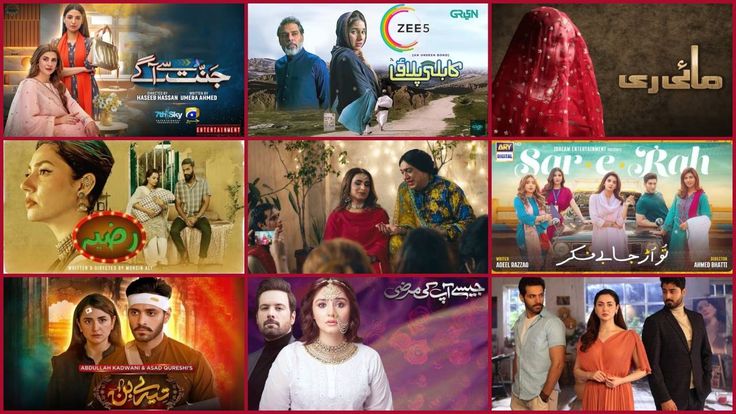
Today, Pakistani dramas enjoy a global fan base, especially in South Asia, the Middle East, and among diaspora communities. The combination of relatable plots, cultural richness, and strong performances keeps audiences connected. Dramas like Humsafar, Do Bol ,Zindagi Gulzar Hai, and Mere Paas Tum Ho broke viewership records and trended internationally. Get more info by clicking image.
>
 >
>
A Legacy of Storytelling
From black-and-white screens to global digital platforms, Pakistani dramas have evolved—but their essence remains unchanged. They continue to reflect our society, challenge norms, and move hearts—proving that great stories always find their audience. Get more info by clicking image.
 >
>